
Redefining Health: How Lifestyle Medicine Can Prevent, Treat, and Reverse Chronic Disease

Lifestyle
Reading Time: 3 minutes

INTERVIEW ON THE PRICE OF BUSINESS SHOW, MEDIA PARTNER OF THIS SITE.

Recently Kevin Price, Host of the nationally syndicated Price of Business Show, interviewed Dr. Ann Hester.
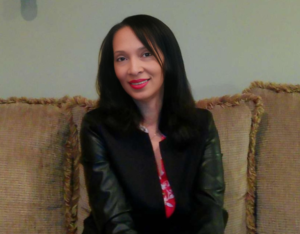
 

The Dr. Ann Hester Commentaries

On a recent Price of Business show, Host Kevin Price interviews Dr. Ann Hester.
In a recent appearance on The Price of Business Show, hosted by Kevin Price, physician and author Dr. Ann Hester shared her journey from traditional internal medicine to the emerging field of lifestyle medicine. Her insights highlight a critical shift in how we view long-term health, chronic disease management, and the power of everyday choices.

Beyond the Symptoms: A New Approach to Care

For nearly three decades, Dr. Hester practiced standard internal medicine, diagnosing illnesses, prescribing pharmaceuticals, and referring patients for surgery. While these interventions save lives, she frequently witnessed patients suffering and dying prematurely from conditions that were largely preventable.
The turning point in her career came while developing content for her platform, PatientWorld.net. After hiring a specialist to film a course on lifestyle medicine, Dr. Hester was stunned by the depth of scientific research proving that chronic conditions could not only be prevented, but often treated and even reversed through natural, evidence-based practices. Inspired by this evidence, she went back to undergo rigorous training and earned board certification in lifestyle medicine—joining a elite group representing less than 1% of physicians worldwide.

Understanding the Healthcare “Machine”

During the interview, Kevin Price and Dr. Hester discussed the structural flaws of modern healthcare, which often prioritizes financial volume over root-cause resolution. Modern medicine tends to reduce complex human beings to isolated symptoms, quickly offering pills to manage side effects rather than examining systemic causes.
This cycle is further reinforced by industrial incentives:
  • Hyper-Palatable Foods: Food scientists carefully balance fat, sugar, salt, and additives to create ultra-processed foods that stimulate the brain’s pleasure centers—mirroring the neural pathways triggered by opiates or sex. This drives overeating, weight gain, and high blood pressure.
  • Pharmaceutical Dependency: Once lifestyle-driven illnesses develop, pharmaceutical solutions are often introduced to manage the consequences, creating an ongoing revenue stream rather than a cure.
While Dr. Hester emphasizes that she is not anti-medication, she advocates for reducing unnecessary drug dependence. Medications remain vital for many conditions, but lifestyle interventions should work alongside medical care to optimize patient outcomes and lower required dosages.

The Core Pillars of Lifestyle Medicine

In her latest book, Lifestyle Medicine: A Scientifically Proven Path to Prevent, Treat, or Reverse Chronic Disease, Dr. Hester outlines practical strategies grounded in scientific evidence. Supported by organizations like the American Medical Association, lifestyle medicine focuses on six key pillars:
  1. A Plant-Predominant Whole-Food Diet: Prioritizing nutrient-dense, unprocessed foods to reduce inflammation and stabilize metabolism.
  2. Regular Physical Activity: Incorporating daily movement to strengthen the cardiovascular system and improve metabolic health.
  3. Restorative Sleep: Establishing habits that allow the body to repair tissues, balance hormones, and lower stress.
  4. Stress Management: Utilizing mindfulness and grounding techniques to quiet the nervous system.
  5. Positive Social Connections: Cultivating strong relationships, which have been shown biologically to lower systemic inflammation and extend lifespan.
  6. Avoiding Risky Substances: Minimizing exposure to tobacco, excessive alcohol, and environmental toxins.
Dr. Hester notes that regions like the “Blue Zones”—areas around the world, such as Loma Linda, California, Costa Rica, Italy, and Japan, where populations consistently live past 100—naturally incorporate these principles into their daily routines.

Reclaiming Control of Your Health Destination

A common misconception is that genetic inheritance dictates health destiny. While family history plays a role, lifestyle choices significantly influence gene expression and overall health outcomes. Adopting proactive habits not only protects personal vitality but also protects families from the financial strain of managing chronic illness later in life.
To take charge of personal health, Dr. Hester recommends defining a clear 20-year vision for life and making intentional daily choices that support that goal. To learn more about her work, health coaching programs, and resources, visit her website at ptrreset.com (representing Prevent, Treat, Reverse).

Ann M. Hester, M.D. is a board-certified internist with over 25 years of experience. She obtained her medical degree from the University of Tennessee in Memphis. Dr. Hester believes when patients are taught exceptional “patient skills,” they become empowered to play a previously unimagined role in optimizing their medical care and minimizing medical costs. Her mission is to share these critical skills by various means, thereby improving patient outcomes and strengthening the U.S. healthcare system. This mission started in medical school when she witnessed the tremendous gap between how patients and doctors think. Over the years, she has written various patient empowerment pieces online and through books. Her latest book is Patient Empowerment 101: More than a book, it’s an adventure! This unique work takes an unprecedented step in helping people think more like doctors and position themselves at the center of their healthcare team.

Learn more at https://www.patientempowerment101.com.

Connect with her through social media:

Twitter: @patientworldnet
LinkedIn: https://www.linkedin.com/in/patientempowerment101 https://www.linkedin.com/in/annhester/


For more great lifestyle content, see here.

Explore more insights at https://usadailytimes.com/.

Share This: